The Downey 2045 General Plan could shape how the city grows for the next two decades. The City of Downey is now moving toward the final stages of its long-term planning process. Adoption hearings are planned for fall 2026.
The plan covers much more than new housing. It also looks at traffic, businesses, parks, public safety, open space, noise, environmental concerns, and neighborhood design.
For residents, the General Plan matters because future city decisions will often rely on it. New development, road projects, land-use changes, and public improvements must fit within this larger framework.
The current draft does not mean thousands of homes will appear at once. Instead, it creates rules and planning capacity that could guide growth through 2045.
This guide explains the biggest ideas in the plan. It also covers what residents should watch as Downey moves toward adoption.
What the Downey 2045 General Plan Could Change
California cities must maintain a General Plan. Think of it as a long-term roadmap for land use and city growth.
Downey’s current plan dates back to 2005 and used 2025 as its planning horizon. The new update would extend that vision through 2045.
The draft includes sections on land use, transportation, economic development, open space, conservation, safety, noise, and community design. It also adds a new Environmental Justice Element.
The city has gathered community feedback through workshops, surveys, public events, and an August 2026 open house. Residents can continue sharing comments while the plan moves toward adoption.
Housing and Growth Along Major Corridors
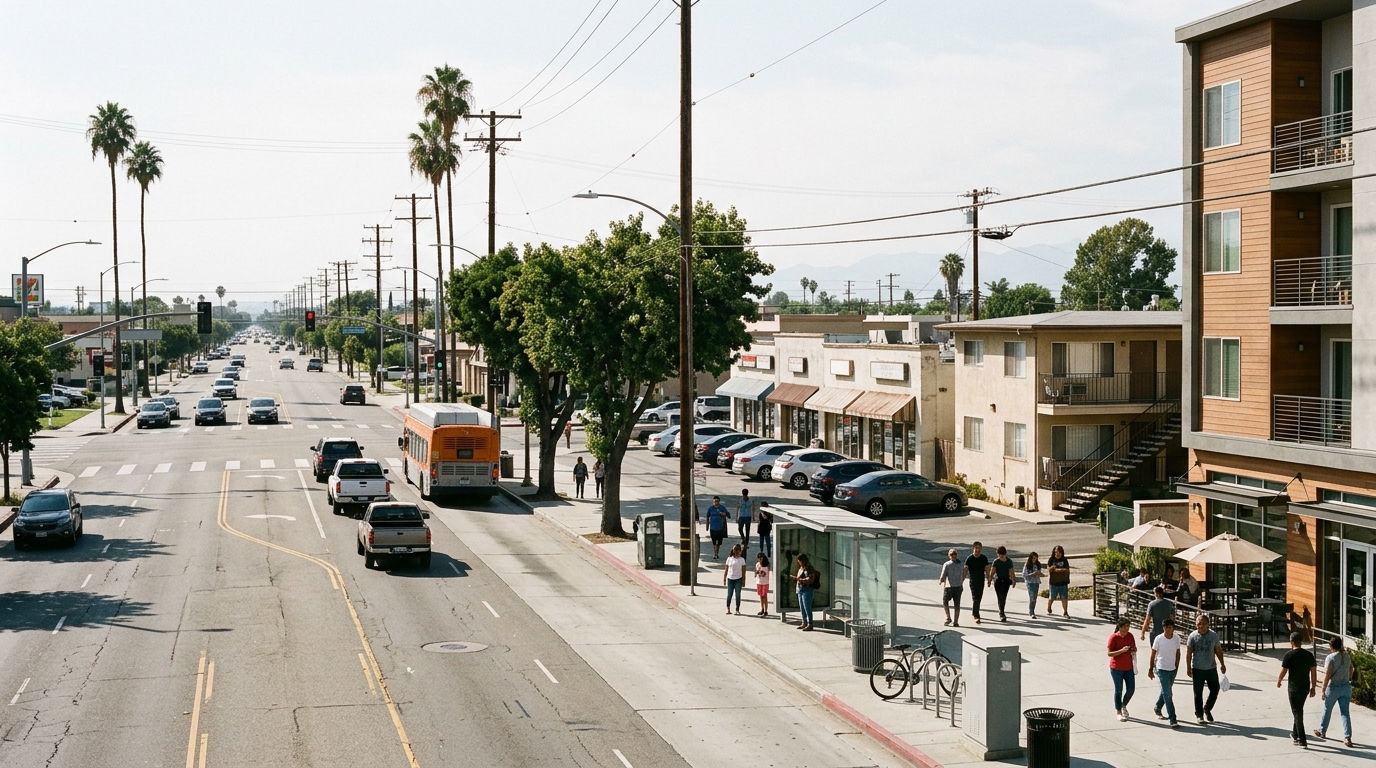
Housing is one of the largest parts of Downey’s long-term growth discussion. State housing rules require the city to provide enough land and zoning capacity for future homes.
The environmental review for the General Plan estimates that the proposed changes could support about 10,350 additional housing units by 2045. That number represents potential development capacity. It is not a promise that every unit will be built.
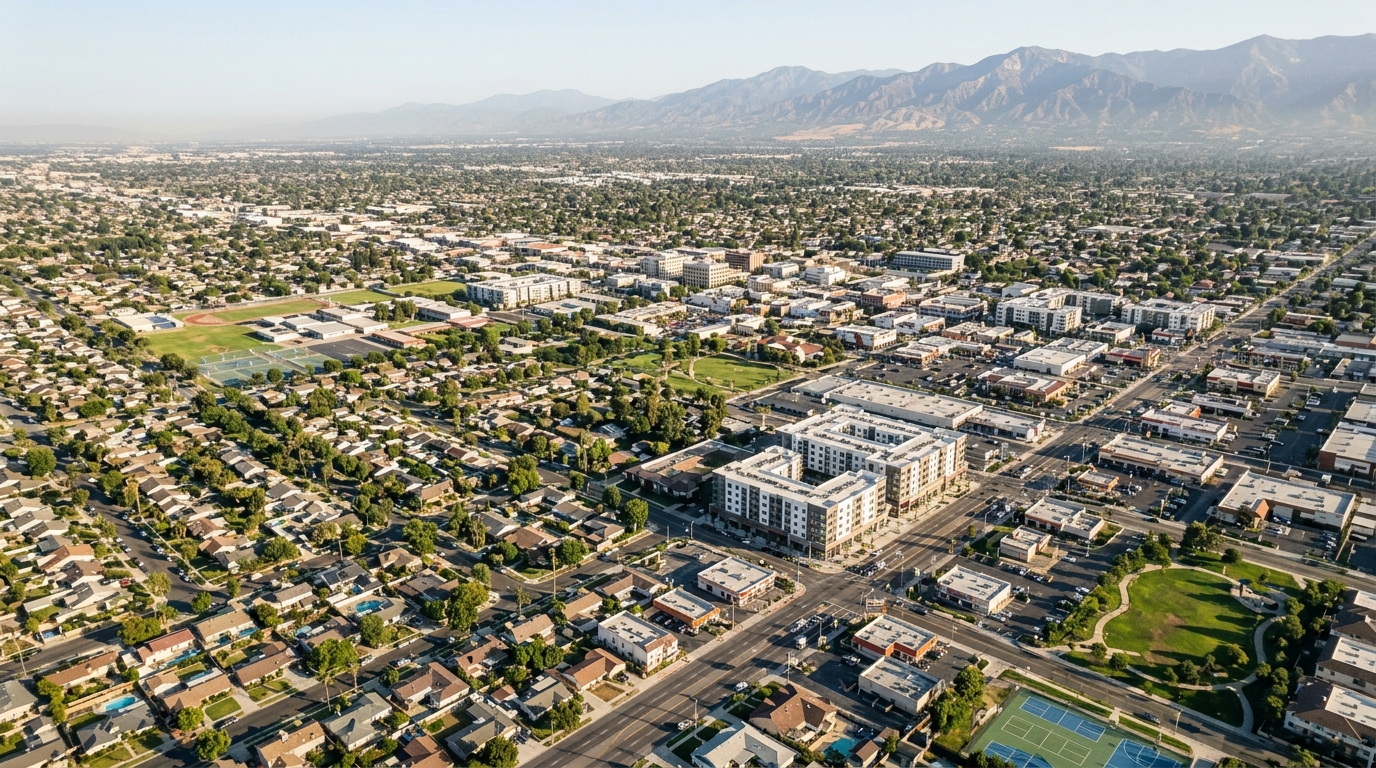
The city has also identified major commercial corridors as possible locations for more housing. These include areas along Telegraph Road, Florence Avenue, Imperial Highway, Paramount Boulevard, Lakewood Boulevard, and Firestone Boulevard.
Some sites could allow mixed-use development. A project might include apartments above stores or combine housing with other commercial uses.
More Housing Does Not Mean Every Neighborhood Will Change
Growth will not affect every part of Downey in the same way. Much of the planning focus falls on commercial corridors and selected development areas.
Existing single-family neighborhoods remain an important part of the city’s land-use pattern. At the same time, the city must find realistic places for new homes.
That balance is one reason residents should pay attention to zoning maps. A citywide housing number does not show where development could actually happen.
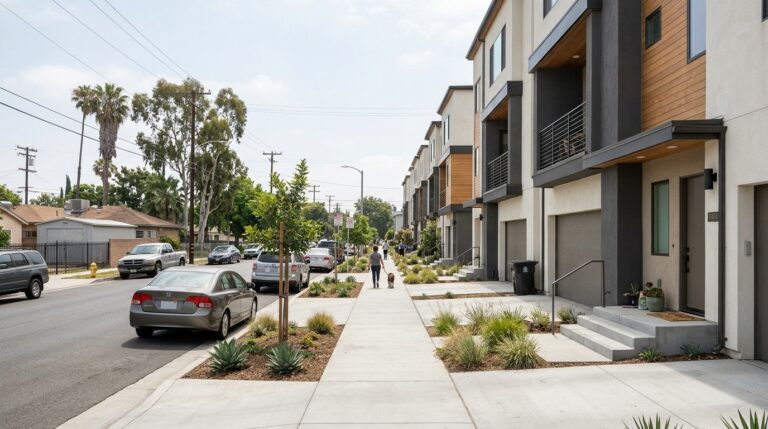
Building type matters too. A three-story townhome project creates different effects from a six-story mixed-use building. Traffic, parking, shade, privacy, and neighborhood connections can all change with the design.
Residents who want a current example can read our guide to the planned Downey Costco project. That development shows how one large property can involve land use, traffic, jobs, public funding, and nearby businesses at the same time.
Firestone, Lakewood and Other Corridors Could See More Activity
Major roads already carry much of Downey’s shopping and employment activity. The new plan could also direct more housing and mixed-use growth toward these corridors.
This approach can place homes closer to stores, services, jobs, and transportation. However, it also raises practical questions.
Can nearby intersections handle more trips? Are sidewalks comfortable? Is public transit useful? Will new residents have access to parks? How will parking work?
These questions become more important as larger projects move from planning documents to actual applications.
Firestone Boulevard deserves special attention. It already connects Downtown Downey with major shopping areas and regional roads. New development along the corridor could affect both local trips and through traffic.
Downtown may also continue to play a larger role as the city grows. Our Downtown Downey public art walking tour shows how the district already combines civic spaces, businesses, culture, and pedestrian activity.
Traffic, Walking, Transit and Future Transportation
Growth and transportation planning must work together. Adding homes or businesses without considering travel patterns can create problems later.
The General Plan includes a Circulation Element that looks at how people move around Downey. Cars remain a major part of daily travel, but the plan also considers walking, biking, and public transportation.
The goal is not to remove cars from Downey. Instead, the city must plan streets that can serve several types of trips.
Some residents may walk only a few blocks to a store. Others commute across Los Angeles County. Students may need safe routes to school. Older adults may depend on transit or short local drives.
Traffic Growth Needs More Than Wider Roads
Road capacity is only one part of transportation planning. Intersections, signal timing, driveway access, pedestrian crossings, and street design also affect traffic.
A wider road can move more vehicles in some situations. However, poor intersection design can still create delays. New development can also add turning movements at busy locations.
Residents should watch how future projects handle access. A development with several driveways may affect traffic differently from one with a shared entrance.
Walking conditions deserve attention as well. A destination may be close in distance but difficult to reach if sidewalks are missing or crossings feel unsafe.
Downtown offers a useful example of why walkability matters. The Downtown Downey Farmers Market and Night Market guide shows how visitors can park once and combine food, shopping, and nearby activities on foot.
How the Downey 2045 Plan Could Affect Everyday Life
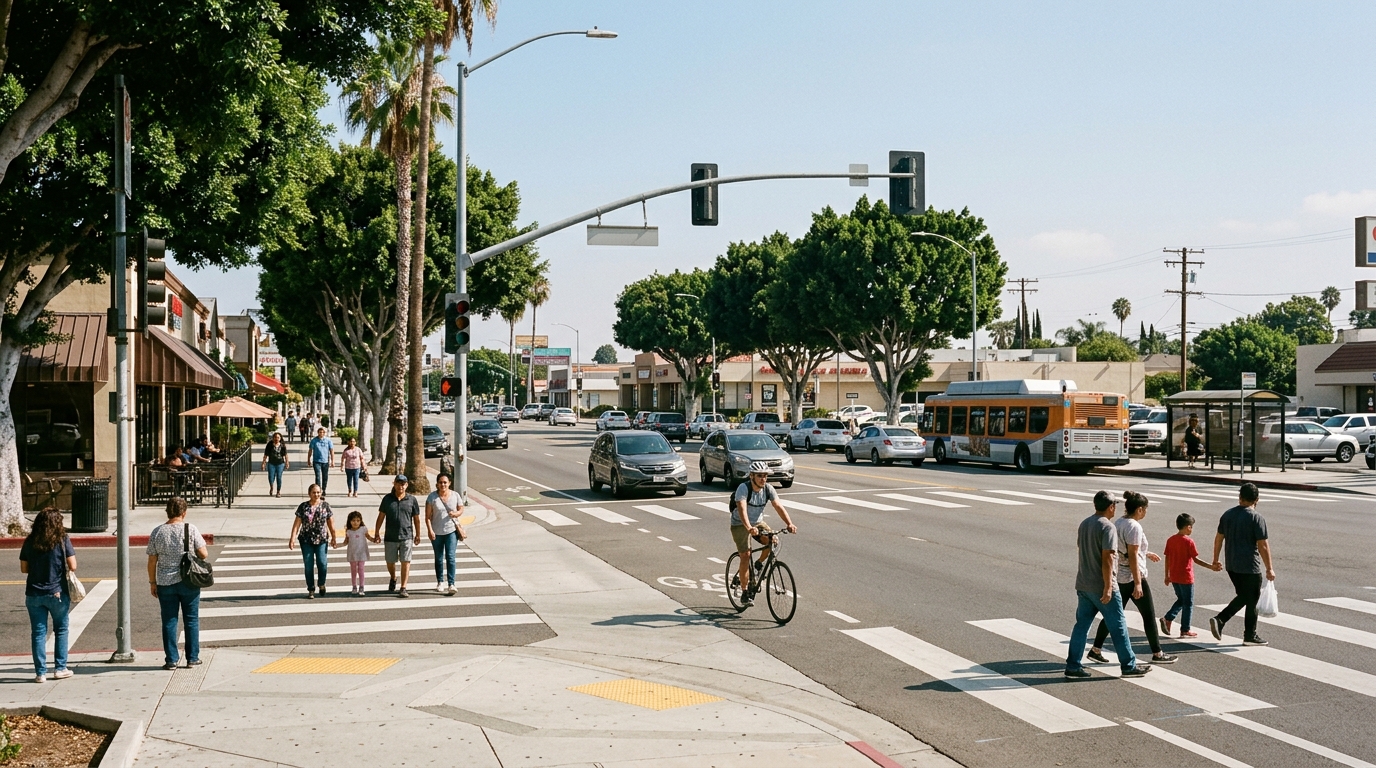
A General Plan can sound technical because many parts involve zoning, environmental review, and land-use maps. Yet the final effects are often easy to see in everyday life.
Residents may notice a new apartment project on a commercial road. A shopping center may change uses. New sidewalks may appear. Parks may receive more demand as the population grows.
City services also need to keep pace. More residents can increase demand for police, fire services, libraries, recreation programs, water, sewer systems, and street maintenance.
Economic growth remains another major goal. Downey wants to attract businesses while protecting its long-term financial health.
Parks, Public Services and Neighborhood Quality of Life
Growth works best when public spaces and services grow with it. The General Plan includes sections for open space, conservation, safety, and environmental justice.
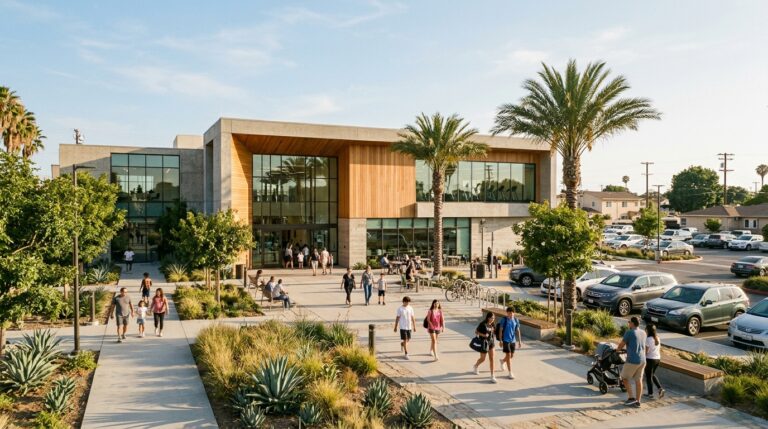
Parks matter because higher-density housing often includes less private outdoor space. Public recreation areas can become more important as more people live nearby.
Tree cover and shade also affect daily comfort. Hot sidewalks and bus stops become difficult to use during warm weather when there is little protection from the sun.
The Environmental Justice Element looks at issues such as access to healthy food, parks, transportation, and cleaner environments. This gives the city another tool for comparing conditions across different neighborhoods.
What Residents Should Watch Before the Plan Is Adopted
Residents do not need to read every technical appendix to follow the General Plan process. Start with the issues that affect your part of Downey.
Look at the proposed land-use map. Check major corridors near your home. Review whether nearby areas could support more housing or commercial development.
Transportation is another useful area to review. Ask how future growth connects with streets, sidewalks, transit, schools, and parks.
Residents should also separate long-term planning from immediate construction. A General Plan designation may allow a type of future development. It does not mean a developer already has approval to build it.
Individual projects will still go through their own approval steps when required. Those steps may include environmental review, Planning Commission hearings, permits, or City Council action.
That distinction matters when discussing future projects online. A planning map should not be treated as a construction schedule.
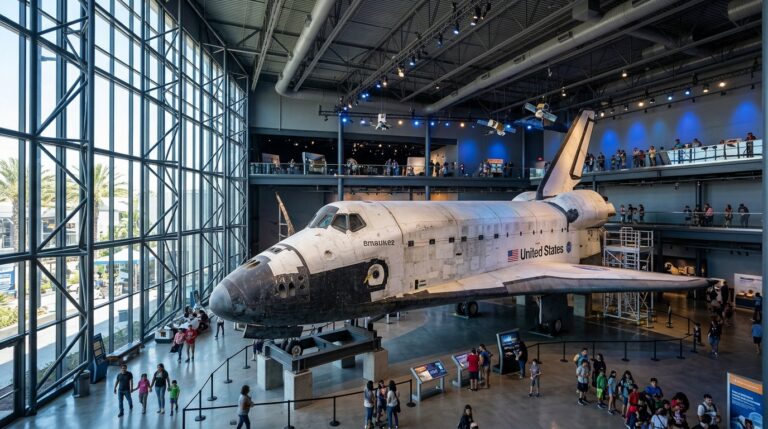
Downey residents can also follow the city through local events and civic spaces. Our Downtown Downey market guide covers two regular community gathering points. Families can also explore local science and aerospace history through our Rocket Fever and Columbia Memorial Space Center guide.
The Downey 2045 General Plan will not transform the city overnight. Its importance comes from the decisions it will guide over many years.
The plan could create room for thousands of additional homes. It could also support new businesses, mixed-use projects, transportation changes, and public improvements.
Those opportunities come with real questions. Traffic, parking, school capacity, parks, utilities, neighborhood design, and public safety all need careful planning.
Residents should judge future projects on their actual details rather than assuming all growth is either good or bad. Location, design, scale, access, and community benefits matter.
Downey’s fall 2026 adoption process is therefore worth following. The final plan will become one of the city’s most important guides for future decisions.
For residents, the best approach is simple. Review the areas that affect your neighborhood. Follow Planning Commission and City Council notices. Use official documents when checking claims. Most importantly, pay attention to the difference between what the plan allows and what developers eventually propose to build.